All Categories
Featured
Table of Contents
- – Innovative Senior Care
- – What Is In-Home Hearing Care and How Does It H...
- – Understanding Age-Related Hearing Loss (Presb...
- – Common Signs in Daily Routines
- – Why Communication Breaks Down at Home
- – Non-Medical vs Device-Focused Approaches
- – Benefits of Caregiver-Led Support
- – Who Benefits Most from At-Home Assistance
- – How Does Hearing Loss Impact Daily Communicati...
- – Emotional Effects Like Isolation and Frustration
- – Links to Social Withdrawal
- – Impact on Family Dynamics
- – Practical Challenges in the Home Environment
- – Missing Alarms, Phones, or Conversations
- – Long-Term Risks if Untreated
- – What Are Effective Communication Strategies fo...
- – Face-to-Face Techniques and Visual Cues
- – Positioning and Lighting Tips
- – Clear Speech Without Shouting
- – Reducing Background Noise for Better Clarity
- – Home Environment Adjustments
- – Using Gestures and Written Aids
- – Technology-Free Tools That Work
- – Daily Practice Routines for Consistency
- – How Can In-Home Hearing Care Improve Home Safe...
- – Addressing Missed Auditory Cues
- – Door Bells, Smoke Alarms, and Emergency Calls
- – Fall Prevention Through Awareness
- – Integrating Wellness Checks and Mobility Support
- – Daily Safety Monitoring
- – Home Modification Ideas Without Major Changes
- – What Role Do Caregivers Play in Supporting Hea...
- – Personalized Daily Living Assistance
- – Companionship During Conversations
- – Medication and Routine Reminders
- – Emotional and Social Engagement Support
- – Preventing Loneliness Through Activities
- – Family Caregiver Relief and Training
- – Coordinating with Other Senior Needs
- – In-Home Hearing Care vs Traditional Clinic App...
- – Convenience and Accessibility Factors
- – No Travel Required
- – Personalized Home Environment
- – Focus on Communication Over Devices
- – Non-Medical Strategies
- – Cost and Time Savings
- – Flexible Scheduling
- – Long-Term Outcomes and Satisfaction
- – Real Stories: How Families in Coachella Valley...
- – Testimonials from Local Families
- – Measurable Improvements in Daily Life
- – Common Concerns About In-Home Hearing Care and...
- – Is It Expensive or Time-Consuming?
- – Will It Feel Intrusive?
- – What If We Already Tried Other Options?
- – How Do We Know It Will Work for Our Loved One?
- – Areas We Serve Throughout Coachella Valley Cal...
- – Cities Covered Near the I-10 Freeway
- – Local In-Home Hearing Care Experts Near You
- – Frequently Asked Questions About In-Home Heari...
- – What is in-home hearing care for seniors?
- – How does hearing loss affect communication at...
- – Is in-home hearing care different from hearin...
- – What services help with hearing loss at home?
- – How soon can I see improvements?
- – Do you serve Coachella Valley areas?
- – How to help a senior with hearing loss at home?
- – What causes hearing loss in elderly at home?
- – Best ways to communicate with hearing impaire...
- – Prevent social isolation from hearing loss at...
- – We Can Help! Contact Us Today
- – Innovative Senior Care
Innovative Senior Care
77564 Country Club Dr Ste 228/230 Palm Desert, CA 92211(760) 469-4999
Innovative Senior Care
In-home hearing care provides compassionate, non-medical support right where seniors prefer to remain—their own home—enabling them address hearing loss difficulties and revive meaningful communication with family and friends. Different from technology-based audiology services, this model concentrates on caregiver-supported techniques that enhance routine exchanges, reduce withdrawal, and facilitate safe, independent living without requiring clinic visits or high-priced equipment. Relatives seeking for communication help for hearing impaired seniors, communication help for hearing impaired seniors, or hearing loss assistance at home discover that easy, consistent approaches—such as proper positioning for lip reading, background noise reduction, and incorporating body language cues—can dramatically improve quality of life. This detailed article examines proven strategies, safety enhancements, support provider functions, typical worries, and actual family experiences, offering you actionable information for any family pursuing hearing loss assistance at home or communication help for hearing impaired seniors.
Hearing difficulties often appear quietly, causing it hard to detect until conversations turn into effortful. A family member may nod along during dinner but later confess they didn’t hear most of what was said. That seemingly minor shift brings a feeling of anxiety—might they withdraw even more? Could small misunderstandings escalate into lasting separation? Numerous adult children and spouses experience this subdued ache and start searching for ways to support without pushing unnecessary medical interventions. In-home hearing care presents a kind , effective way forward: customized support that meets seniors right where they are, centering on interaction simplicity, peace of mind, and daily self-assurance.
What Is In-Home Hearing Care and How Does It Help Seniors Stay Connected?
In-home hearing care provides non-medical assistance straight in the home to aid seniors with hearing loss. Companions highlight conversation techniques, emotional support, and simple home setting modifications rather than technology sales or adjustments. This model assists seniors engage actively in discussions, reducing the fatigue that frequently accompanies hearing difficulties. It encourages honor and autonomy while tackling the emotional toll of sensing disconnected.
Understanding Age-Related Hearing Loss (Presbycusis)
Presbycusis is the primary form of hearing loss affecting older adults, caused by progressive deterioration on the cochlea and auditory nerve. High-pitched sounds become hard to differentiate first, resulting in letter-intensive speech (such as “s,” “th,” or “f”) particularly challenging to comprehend. Over time, this contributes to common demands for clarification, misheard directions, and growing reluctance to interact in conversations with multiple people. The health authority indicates that nearly about a third people aged 65–74 and close to half of those 75 and older experience disabling hearing loss. Timely, consistent support stops these shifts from worsening into deeper social and emotional effects.
Common Signs in Daily Routines
Watch for indicators such as increasing the television volume abnormally high, struggling to follow phone conversations, or often inquiring “what?” during everyday talks. These habits commonly show up first in familiar home settings where background noise from devices or family activity clashes with speech. Identifying these initial signs allows families to implement effective strategies ahead of retreat turns into habitual.
Why Communication Breaks Down at Home
Household environments present unique challenges: reverberating hallways, conflicting sounds from common rooms or televisions, and variable lighting that hides lip-reading cues. Seniors may fail to notice how much they subconsciously rely on visual information to enhance hearing. When these supports are missing or variable, even basic exchanges feel exhausting, contributing to shorter conversations and decreased participation.
Non-Medical vs Device-Focused Approaches
Conventional audiology services focus on assessments and hearing aid fittings, which are extremely valuable for many but require routine office appointments and adjustment periods. In-home hearing care follows a distinct path, centering solely on habit changes, assistant instruction, and home-specific changes. This non-medical method avoids technology sales and instead creates sustainable habits that improve natural communication and emotional well-being.
Benefits of Caregiver-Led Support
Caregiver-led help offers immediate emotional reassurance—seniors perceive understood rather than “fixed”. Families share noticeable improvements in mood and participation in a short time, as loved ones regain confidence in conversational situations. The model is flexible, economical, and entirely integrated into regular schedules.
Who Benefits Most from At-Home Assistance
Seniors who favor to age in place, those with restricted physical ability, individuals with moderate-level hearing loss, and families pursuing non-clinical approaches gain the most significant benefits. This assistance framework is particularly beneficial for people who regard clinic visits stressful or practically problematic, delivering tailored help that honors independence while resolving communication barriers successfully.
Numerous families find that in-home hearing care changes everyday experiences—dinners, telephone conversations, storytelling—into opportunities for bonding again. The emphasis remains on self-respect, respect, and natural exchange.
Contact us for a complimentary consultation to discover how these techniques can apply in your home. Explore our full range of senior care services in Palm Desert.
How Does Hearing Loss Impact Daily Communication and Family Life?
Hearing loss goes far beyond physical hearing—it subtly transforms family connections, family rhythms, and daily confidence. When words becomes muffled or challenging, discussions shorten, misunderstandings grow, and participation declines. These changes affect not just the senior but the entire household sharing the home, creating a pattern of frustration and withdrawal that can worsen over time.

Emotional Effects Like Isolation and Frustration
Repeated misunderstandings breed frustration. Gradually, many seniors tend to dodge social situations altogether to evade the awkwardness of missing meaning. This withdrawal frequently results in deep loneliness, as once-cherished positions—elder advisor—decrease. Mental well-being deteriorates when closeness feels out of reach.
Links to Social Withdrawal
Unmanaged hearing loss substantially increases the likelihood of disconnection. Seniors may decline requests, skip group activities, or reduce phone calls, progressively shrinking their social circle. The psychological impact accumulates as chances for delight, cheer, and connection become rarer.
Impact on Family Dynamics
Adult children often find themselves repeating clarifications patiently but experience powerless. Spouses miss joint amusement. Siblings debate over who should take responsibility for the challenge. These patterns stress relationships that once felt effortless.
Practical Challenges in the Home Environment
Daily home noises—blenders, doorbells, TV, family activity—interfere with speech. Rooms with reflective floors generate echoes that additionally muddle incoming sound.
Missing Alarms, Phones, or Conversations
Essential audio alerts go unnoticed: safety alerts, visitor signals, calls. These misses generate security concerns and increase everyday anxiety for household and seniors alike.
Long-Term Risks if Untreated
Ongoing hearing difficulties link with higher balance problems, brain health issues, and depression. Timely assistance interrupts this development, maintaining both bodily security and mental sharpness.
Recognizing these wide-ranging impacts encourages families to act. Hearing loss assistance at home presents practical, caring ways to restore equilibrium and bonding.
If these patterns appear recognizable, connect to learn about supportive paths. Explore more about our background and mission.
What Are Effective Communication Strategies for Hearing Loss at Home?
Practical techniques for clearer home conversations with hearing challenges center on building conditions where words is received clearly and naturally. Assistants teach these techniques gradually, helping seniors and families develop routines that minimize effort and increase shared clarity.
Face-to-Face Techniques and Visual Cues
In-person face viewing and unobstructed sight of the speaker’s face help comprehension. Body language enhance said content. These fundamentals establish the foundation of effective exchange, making conversations more natural.
Positioning and Lighting Tips
Arrange chairs so faces are brightly visible avoiding shadows or excessive light. Ambient sunlight or adjustable lamps assist lip-reading. Prevent reverse lighting that darkens speakers, ensuring visibility supports comprehension.
Clear Speech Without Shouting
Communicate at a normal intensity but with intentional enunciation. Slow your speed somewhat and break between sentences. Yelling deforms speech and can seem unkind—clearness at regular volume functions far more effectively.
Reducing Background Noise for Better Clarity
Eliminate conflicting sources during essential discussions. Close entryways to stop outside-room audio. Choosing quieter spaces for conversations or visits significantly improves word understanding.
Home Environment Adjustments
Place soft materials or cushions in resonant zones to dampen sound bounce. Adjust seating so talk areas are away from noisy hallways. Minor audio tweaks generate significant advantages.
Using Gestures and Written Aids
Easy movements support important terms. Have a notepad or large-print list close by for names. These simple methods supply dependable support when spoken understanding falters.
Technology-Free Tools That Work
Big-font lists or visual cards deliver messages. They provide quick, successful assistance excluding introducing technical equipment that may confuse.
Daily Practice Routines for Consistency
Dedicate short periods each day for concentrated conversation practice. Discuss the day’s happenings, tell a experience, or share reading as a group. Steady practice builds both ability and confidence.
Professionals with profound background in senior care apply these approaches with consideration and effectiveness. Households gain psychological ease through reclaimed communication and real-world effectiveness from home-based implementation. See our full range of support.
Ready to implement these strategies into your daily life? Contact us for a complimentary consultation.
How Can In-Home Hearing Care Improve Home Safety for Seniors?
In-home hearing care reaches well past conversation—it directly improves individual security by tackling sound perception challenges that contribute to daily risks and overlooked urgencies. Support providers merge awareness training with regular checks to build a safer residence.
Addressing Missed Auditory Cues
Seniors commonly miss everyday sounds that signal potential danger—doorbells, oven buzzers, safety devices, or a loved one calling from elsewhere. Assistants introduce alternative cues that offset effectively.
Door Bells, Smoke Alarms, and Emergency Calls
Install flashing light alerts for doorbells and alerts, or apply vibrating pagers for phone calls. Assistants show proper responses, building automatic response for quick, secure action.
Fall Prevention Through Awareness
Hearing loss commonly appears together with stability problems. Caregivers strengthen environmental scanning—checking prior to stepping—and combine sound perception gaps with visual safety checks to reduce fall risk.
Integrating Wellness Checks and Mobility Support
Daily check-ins enable caregivers to identify emerging hazards—messy areas, inadequate light, slippery mats—and fix them proactively. Mobility assistance ensures stable and self-assured navigation around the house.
Daily Safety Monitoring
Caregivers watch routines and identify variations—such as reduced quickness or uncertainty in certain areas—then adapt support plans accordingly to maintain protection.
Home Modification Ideas Without Major Changes
Easy changes like better light, color-coded edges on steps, or labeled switches supply visual cues. These low-cost modifications greatly enhance navigation and lower hazard potential.
Proactive safety measures deliver enduring peace of mind. In-home hearing care establishes safe, assured living through considerate, integrated support. Read more about our home health care services in Palm Desert.
Let’s discuss how to make your home safer—reach out today.
What Role Do Caregivers Play in Supporting Hearing-Impaired Seniors?
Caregivers act as trusted partners and experienced helpers, enabling seniors with hearing loss handle regular activities with dignity and ease. They combine psychological care with hands-on strategies to make sure conversation remains natural and meaningful.
Personalized Daily Living Assistance
Customized help aligns with auditory requirements during daily activities, guaranteeing comfort and continuity excluding disturbing self-reliance. - Coachella Home Care Agency
Companionship During Conversations
Patient presence promotes seniors to share feelings freely, reviving confidence in expression and social exchange.
Medication and Routine Reminders
Kind , steady prompts ensure schedules organized, using visual or written cues when oral cues are less effective.
Emotional and Social Engagement Support
Caregivers plan activities that ignite delight—memory sharing, music, simple games—while including talk-optimized settings.
Preventing Loneliness Through Activities
Consistent activities, pastime time, or virtual calls maintain social ties and combat isolation efficiently.
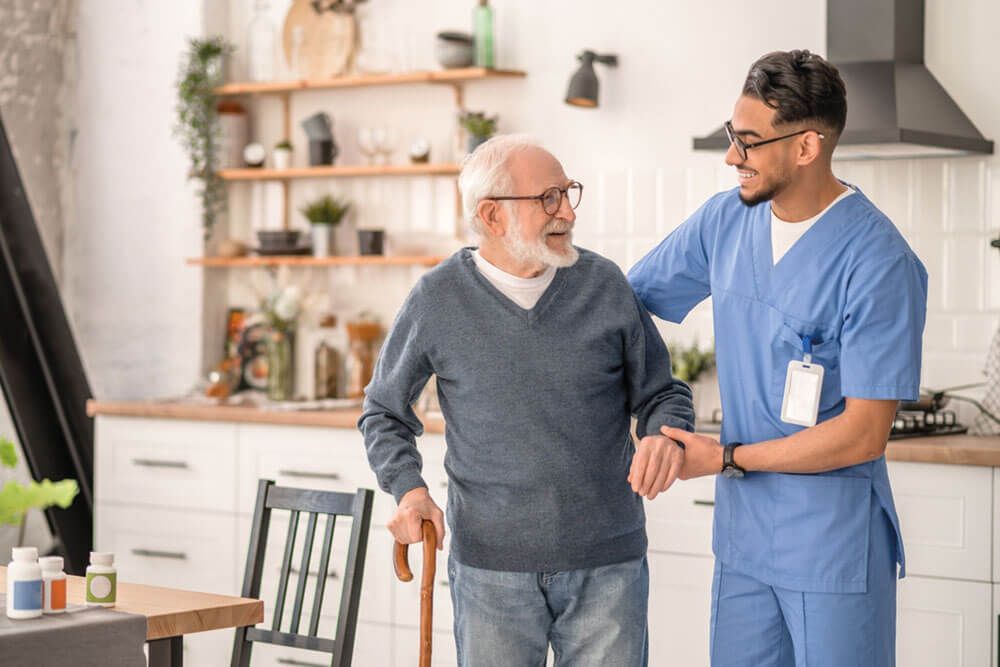
Family Caregiver Relief and Training
Training educate relatives effective communication methods, sound management advice, and patience strategies to improve family communication.
Coordinating with Other Senior Needs
Seamless integration with broader care—movement, medication, meal planning, health—improves complete support.
This coordinated approach rebuilds emotional warmth and delivers logical structure to daily life. Learn more on our household support options.
Learn how assistant assistance can improve your family’s routine—contact us today.
In-Home Hearing Care vs Traditional Clinic Approaches: Key Differences
Families exploring paths for hearing loss support commonly contrast clinic-based audiology with in-home support. The contrasts are substantial and influence both ease and outcomes.
Convenience and Accessibility Factors
In-home hearing care eliminates the need for transportation, scheduling conflicts, and clinic delays. (Coachella Home Care Agency)
No Travel Required
Seniors continue in familiar surroundings, reducing stress and physical demands.
Personalized Home Environment
Methods are tailored to the actual layout, illumination, and acoustics of the home.
Focus on Communication Over Devices
Home care places first lifestyle adjustments and support direction over amplification technology.
Non-Medical Strategies
No adjustments—focus stays on natural patterns.
Cost and Time Savings
Flexible planning and non-use of equipment costs commonly make home care budget-friendly long-term.
Flexible Scheduling
Visits match with family routines rather than set office times.
Long-Term Outcomes and Satisfaction
Home-based support fosters greater engagement, psychological bond, and sustained self-reliance.
| Aspect | Traditional Clinic Approach | In-Home Hearing Care Approach |
|---|---|---|
| Location | Requires travel to office | Delivered 100% at home |
| Primary Focus | Hearing aids and fittings | Communication strategies and daily support |
| Device Involvement | Central | None |
| Mobility Requirement | High | Minimal to none |
| Family Involvement | Limited | Active training and workshops |
| Timeline for Noticeable Improvement | Weeks to months | Days to weeks |
These contrasts explain why many Coachella Valley families select residence-centered care. Learn about our senior residence support.
Real Stories: How Families in Coachella Valley Have Benefited
Regional families witness measurable improvements through regular, caring support.
Testimonials from Local Families
“My father in Indian Wells began grinning during family dinners again. The assistant’s understanding and effective techniques made all the change.” — Maria R., Indian Wells.
“Mom in La Quinta was withdrawing from conversations. In just weeks of beginning care, she was smiling and telling stories once more. Transformative.” — David L., La Quinta.
“Our Rancho Mirage grandmother experienced protected and included. The team’s gentle approach reclaimed her self-assurance and our tranquility.” — Susan T., Rancho Mirage.
Measurable Improvements in Daily Life
Families report reduced miscommunications, increased involvement in social activities, lowered stress, and stronger relationships. These benefits reflect the effectiveness of tailored, home-centered assistance.
These actual results show what’s possible with committed support. View more testimonials on our success stories area.
Common Concerns About In-Home Hearing Care and How They Are Addressed
Families naturally have doubts when thinking about in-home support. Here are the most frequent concerns and direct explanations.
Is It Expensive or Time-Consuming?
Hourly rates typically range from $30–$45 for non-medical care in the region. Adaptable planning—limited hours, regular, or respite—works with most budgets and routines excluding long-term contracts. Learn more about pricing transparency.
Will It Feel Intrusive?
Caregivers are prepared to respect personal space and individual privacy, focusing on companionship rather than oversight. Families set rules from the start. Learn about respectful care.
What If We Already Tried Other Options?
This method works alongside past solutions—if equipment, therapy, or other services—without repetition. It fills interaction and mental support needs that technology only cannot address. See how we coordinate with existing care.
How Do We Know It Will Work for Our Loved One?
Each plan is personalized post an starting consultation. A satisfaction guarantee ensures changes until the fit is perfect. Learn how we personalize care.
Addressing these concerns clearly builds assurance in the approach. Reach out to explore your specific circumstances.
Areas We Serve Throughout Coachella Valley California
Local accessibility guarantees quick, personalized support in the region.
Cities Covered Near the I-10 Freeway
We proudly assist Indian Wells, Rancho Mirage, Thousand Palms, Indio, Palm Desert, La Quinta, Cathedral City, Coachella, Palm Springs, North Palm Springs, Desert Hot Springs, and surrounding areas.
Local In-Home Hearing Care Experts Near You
Innovative Senior Care, 77564 Country Club Dr Ste 228/230, Palm Desert, CA 92211, (760) 469-4999.
Proximity and area expertise allow us to respond quickly and comprehend local requirements. View our coverage areas.
Frequently Asked Questions About In-Home Hearing Care
What is in-home hearing care for seniors?
In-home hearing care provides non-medical assistance to enable seniors address hearing loss through improved communication and daily routines. Caregivers instruct direct interaction methods, sound management, and visual cues. It encourages self-reliance and closeness at home. Families enjoy reduced confusions and better bonds. This method fits those avoiding equipment or travel. See our full services. (112 words)
How does hearing loss affect communication at home?
Hearing loss blurs speech, especially high frequencies. Background noise overwhelms. Seniors strain to keep up, often leading to briefer talks. Families re-explain themselves, causing tension. Emotional withdrawal follows. Communication help at home revives ease through specific adjustments. Discover emotional support methods. (98 words)
Is in-home hearing care different from hearing aids?
Yes—in-home hearing care centers on support-based strategies and emotional support, not sound boosting. Hearing aids provide volume increase via specialist customization. This non-device choice avoids equipment sales. A great number of families use together both for full support. Discover home health care options. (98 words)
What services help with hearing loss at home?
Support include conversation coaching, ambient changes, wellness monitoring, and social activity planning. Caregivers combine sound perception knowledge into daily activities. Household education strengthen shared techniques. Walking and safety aspects combine seamlessly. Benefits feature higher assurance and participation. Explore household support. (112 words)
How soon can I see improvements?
Numerous families notice clearer exchanges and reduced irritation quickly. Steady use boosts progress. Customized approaches speed results. Ongoing support sustains progress. Participation and mood increase clearly. Learn fast implementation. (98 words)
Do you serve Coachella Valley areas?
Yes—reach encompasses Indian Wells, Rancho Mirage, Thousand Palms, Indio, Palm Desert, La Quinta, Cathedral City, Coachella, Palm Springs, North Palm Springs, Desert Hot Springs near the I-10 Freeway. Area service provides convenience and quick reply. Explore coverage areas. (78 words)
How to help a senior with hearing loss at home?
Sit yourself face-to-face in good light. Speak clearly without raising voice. Reduce background noise. Use gestures. Repeat every day. Caregiver input refines techniques. Family involvement strengthens benefits and creates harmony. Learn senior support methods. (98 words)
What causes hearing loss in elderly at home?
Age-related hearing loss comes from inner ear changes with age. Long-term sound exposure and medical issues play a role. House echo patterns commonly amplify the issue. Early support stops advancement. Learn home safety walkthroughs. (88 words)
Best ways to communicate with hearing impaired senior?
Maintain eye contact, pronounce normally, minimize noise. Short sentences support. Gestures aid. Understanding invites sharing. Notes support when useful. These foster confidence and clear interaction. See communication strategies. (92 words)
Prevent social isolation from hearing loss at home?
Promote consistent activities with face-to-face settings. Organize low-noise conversations. Assistants promote interaction. Emotional encouragement fights withdrawal. Steady participation maintains social ties and energy. Learn support planning. (88 words)
We Can Help! Contact Us Today
The concern of diminishing bonds with a loved one is powerful. Seeing a parent or spouse disengage from conversations creates profound worry. Care for family motivates the search for help that restore connection and participation. Relief appears when conversation turns natural again. Expectation flourishes as independence and delight come back. Trust develops from dependable, understanding assistance that really appreciates.
Reasonably, in-home hearing care delivers unmatched convenience—zero commuting, no devices, flexible scheduling. It delivers complete , non-medical help personalized to actual routines. Results are consistent and observable: smoother conversations, reduced hazards, stronger emotional bonds.
Innovative Senior Care delivers this experience to Coachella Valley families. With over 15 years of committed service, our skilled caregivers provide benefits supported by a results promise. Located at 77564 Country Club Dr Ste 228/230, Palm Desert, CA 92211, we serve the entire region. Call (760) 469-4999 to start.
If you’re pursuing dependable in-home hearing care and hearing loss assistance at home. Coachella Home Care Agency, Innovative Senior Care is ready to help. Our team specializes in interaction help, safety, and emotional support that rebuilds bonding. Whether you’re an adult child managing care, a spouse assisting daily life, or a family looking for tranquility, we’ve supported numerous seniors with compassion and expertise. No-cost assessment available. With proven experience and a results promise, we ensure your loved one stays active, secure, and valued. Let us assist build your family’s moments with assurance!
Call (760) 469-4999 today for your complimentary consultation. Reclaim joyful, effortless conversations—your loved ones deserve every moment.
Innovative Senior Care
Address: 77564 Country Club Dr Ste 228/230 Palm Desert, CA 92211Phone: (760) 469-4999
Email: info@innovativeseniorcareinc.com
Innovative Senior Care
Caregiver Services Coachella, CA
Domiciliary Care Coachella, CA
Home Healthcare Coachella, CA
Family Caregiver Coachella, CA
Live In Care Coachella, CA
In Home Care Coachella, CA
Senior Caregiver Coachella, CA
Aged Care Services Coachella, CA
In Home Health Care Coachella, CA
Home Health Agencies Coachella, CA
Home Healthcare Coachella, CA
At Home Healthcare Coachella, CA
Homecare Services Coachella, CA
Home Health Aides Near Me Coachella, CA
Caregiver Services Coachella, CA
Home Health Aides Near Me Coachella, CA
Homecare Services Coachella, CA
Home Health Care Service Coachella, CA
Live-In Caregiver Coachella, CA
In Home Care Coachella, CA
In Home Health Care Coachella, CA
24 Hour Senior Care Coachella, CA
24 Hour Senior Care Coachella, CA
Home Companion Coachella, CA
Home Healthcare Coachella, CA
Family Caregiver Coachella, CA
Home Health Agencies Coachella, CA
Home Health Care Coachella, CA
Family Caregiver Coachella, CA
Homecare Services Coachella, CA
Home Care For Elderly Coachella, CA
Home Healthcare Coachella, CA
Home Health Agencies Coachella, CA
Home Health Care Business Coachella, CA
Caregiver Services Coachella, CA
Home Care Agencies Coachella, CA
Services For The Elderly Coachella, CA
Home Health Aides Near Me Coachella, CA
Home Health Agencies Coachella, CA
Home Health Aides Near Me Coachella, CA
Home Health Aides Near Me Coachella, CA
Caregiver Agency Coachella, CA
Live In Care Coachella, CA
Caregiver Agency Coachella, CA
Live In Care Coachella, CA
Care For Elderly Coachella, CA
Senior Caregiver Coachella, CA
Care Providers Coachella, CA
Close To Seo For Small Business Coachella, CA
Find Seo Services For Small Business Coachella, CA
Innovative Senior Care
Caregiver Services Coachella, CA
Home Health Care Coachella, CA

Table of Contents
- – Innovative Senior Care
- – What Is In-Home Hearing Care and How Does It H...
- – Understanding Age-Related Hearing Loss (Presb...
- – Common Signs in Daily Routines
- – Why Communication Breaks Down at Home
- – Non-Medical vs Device-Focused Approaches
- – Benefits of Caregiver-Led Support
- – Who Benefits Most from At-Home Assistance
- – How Does Hearing Loss Impact Daily Communicati...
- – Emotional Effects Like Isolation and Frustration
- – Links to Social Withdrawal
- – Impact on Family Dynamics
- – Practical Challenges in the Home Environment
- – Missing Alarms, Phones, or Conversations
- – Long-Term Risks if Untreated
- – What Are Effective Communication Strategies fo...
- – Face-to-Face Techniques and Visual Cues
- – Positioning and Lighting Tips
- – Clear Speech Without Shouting
- – Reducing Background Noise for Better Clarity
- – Home Environment Adjustments
- – Using Gestures and Written Aids
- – Technology-Free Tools That Work
- – Daily Practice Routines for Consistency
- – How Can In-Home Hearing Care Improve Home Safe...
- – Addressing Missed Auditory Cues
- – Door Bells, Smoke Alarms, and Emergency Calls
- – Fall Prevention Through Awareness
- – Integrating Wellness Checks and Mobility Support
- – Daily Safety Monitoring
- – Home Modification Ideas Without Major Changes
- – What Role Do Caregivers Play in Supporting Hea...
- – Personalized Daily Living Assistance
- – Companionship During Conversations
- – Medication and Routine Reminders
- – Emotional and Social Engagement Support
- – Preventing Loneliness Through Activities
- – Family Caregiver Relief and Training
- – Coordinating with Other Senior Needs
- – In-Home Hearing Care vs Traditional Clinic App...
- – Convenience and Accessibility Factors
- – No Travel Required
- – Personalized Home Environment
- – Focus on Communication Over Devices
- – Non-Medical Strategies
- – Cost and Time Savings
- – Flexible Scheduling
- – Long-Term Outcomes and Satisfaction
- – Real Stories: How Families in Coachella Valley...
- – Testimonials from Local Families
- – Measurable Improvements in Daily Life
- – Common Concerns About In-Home Hearing Care and...
- – Is It Expensive or Time-Consuming?
- – Will It Feel Intrusive?
- – What If We Already Tried Other Options?
- – How Do We Know It Will Work for Our Loved One?
- – Areas We Serve Throughout Coachella Valley Cal...
- – Cities Covered Near the I-10 Freeway
- – Local In-Home Hearing Care Experts Near You
- – Frequently Asked Questions About In-Home Heari...
- – What is in-home hearing care for seniors?
- – How does hearing loss affect communication at...
- – Is in-home hearing care different from hearin...
- – What services help with hearing loss at home?
- – How soon can I see improvements?
- – Do you serve Coachella Valley areas?
- – How to help a senior with hearing loss at home?
- – What causes hearing loss in elderly at home?
- – Best ways to communicate with hearing impaire...
- – Prevent social isolation from hearing loss at...
- – We Can Help! Contact Us Today
- – Innovative Senior Care
Latest Posts
San Bernardino County Internet Marketing And Seo Services
Seo Local La Habra
Internet Marketing Agency Near Me Pomona
More
Latest Posts
San Bernardino County Internet Marketing And Seo Services
Seo Local La Habra
Internet Marketing Agency Near Me Pomona