All Categories
Featured
Table of Contents
- – Exhaust Fan Installers Tujunga, CA
- – Instant Air Solutions
- – Best Garage Ventilation Tujunga, CA
- – Garage Wall Exhaust Fan Tujunga, CA
- – Exhaust Fan Installation Service Tujunga, CA
- – Exhaust Fan Installer Near Me Tujunga, CA
- – Industrial Air Ventilation Systems Tujunga, CA
- – Install Garage Ventilation Near Me Tujunga, CA
- – Garage Exhaust Vent Tujunga, CA
- – Warehouse Ventilation Systems Tujunga, CA
- – Instant Air Solutions
Exhaust Fan Installers Tujunga, CA
I've had garage ventilation on my mind for time currently. Between Eileen and I constantly doing tasks in the garage, we generate a whole lot of fumes from painting and staining. Cutting timber in there likewise throws a great deal of sawdust right into the air. Even when I deal with the lawn mower and other tiny engines therein, the scent of gasoline remains.
This was not the perfect solution. Numerous painting and discoloration jobs would rest in the garage overnight filling the air with fumes, simply to be broadcast out when the sun showed up and when we can open up the garage doors. Besides the noxious smells sitting in the garage the following early morning, it would certainly additionally postpone the completion of these tasks.
To contribute to the pressure, I lately acquired a snow blower for the upcoming winter snow storms, which was bound to leave the garage loaded with gas odors after use. Even a lot more factor to check into garage air flow systems. Tujunga Industrial Exhaust Ventilation Systems. So I put my reasoning cap on and roamed around the garage trying to find air flow concepts.
In my previous home, I used to run a great deal of computer system equipment in the garage that would generate a whole lot of warmth. I had actually researched garage airing vent options at that time and picked a little follower and air vent that could be set up straight in the garage door (using a little hole that you cut).
Best Garage Ventilation Tujunga, CA
During the winter, the garage door air vent would certainly let all the chilly air in and go down the garage temperature below the cold factor, damaging my paints and other fluids that were not implied to be iced up. The garage door vents and exhaust option left a poor preference in my mouth since, and I was established not to seek that instructions once again.
I finally cleared up on a method of venting the garage. I would certainly discover a perfect airing vent location in the garage, and cut a large square opening in the wall surface (roughly 14"x14" in between the wall studs). I would mount self-closing shutter vents on both the inside and exterior of the wall surface.
Garage Wall Exhaust Fan Tujunga, CA
The double shutter vents were going to be essential in helping to maintain the cold air outside during the winter. I did a lot of research study on exhaust fans and chose on one with built-in shutters.
For the exterior wall surface, I went a 14" aluminum shutter vent (Tujunga Industrial Exhaust Ventilation Systems). With the hardware identified, I tried to find an optimal place for the air vent. The very best area would have been above one of the garage doors, however, for aesthetics, I didn't desire the vent to be noticeable from the street
Right here's the area I chose inside for the garage exhaust fan: Right here's where the vent would tire outside: Above, you'll see the initial layer I went through was the drywall. Following was the white plastic house siding.
The cutout obtained a little rough at some of the edges, but it was not a large offer. The fan would certainly cover all the sides, and hide any type of abnormalities in my cut. Next, I had to seal the leading and lower sides of the opening. This was a necessary step to prevent the fan from venting air right into the wall surface.
Exhaust Fan Installation Service Tujunga, CA
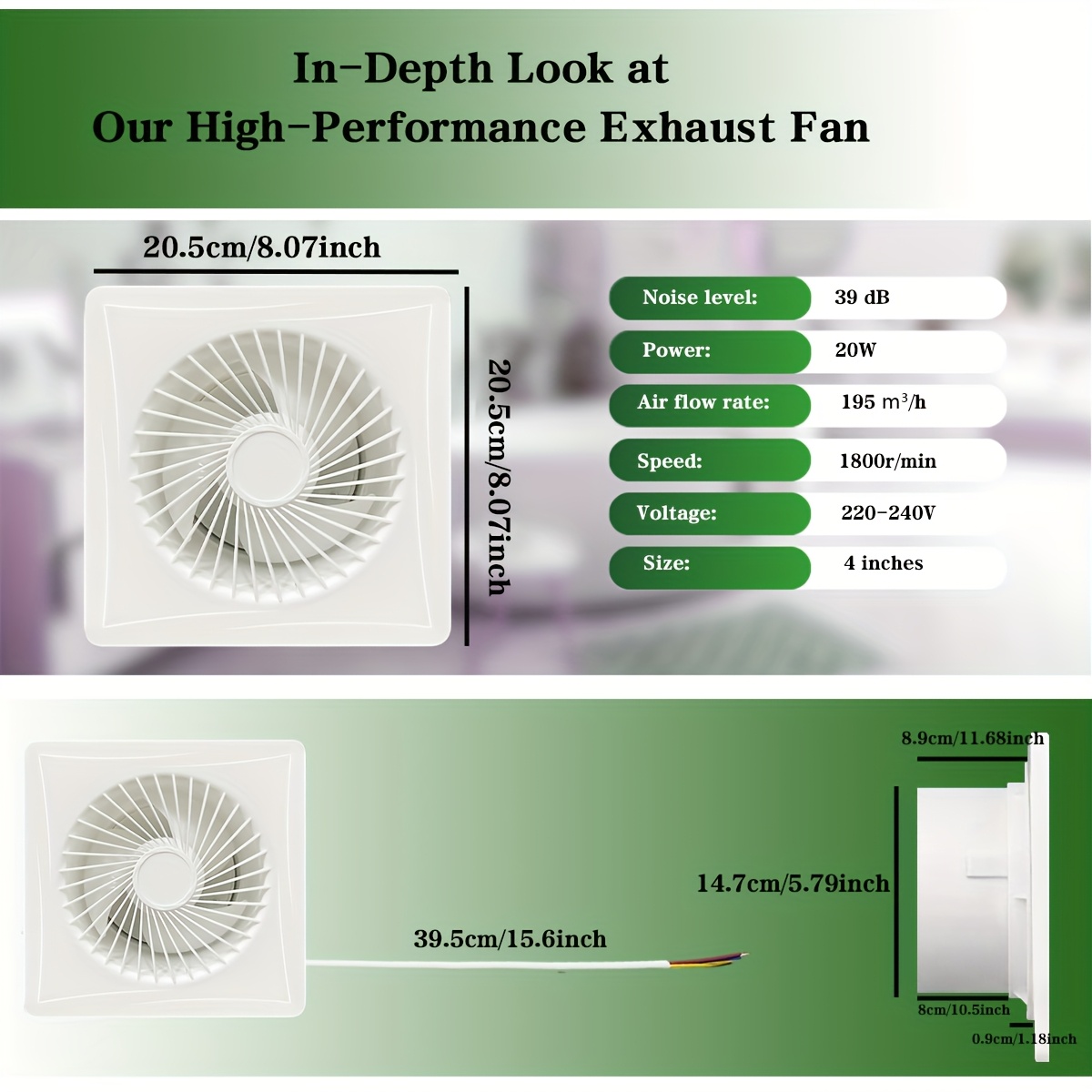
I could not just cut a hole in the home siding, place the vent, and stop. To maintain water from passing through the house siding, I needed to make use of J channel. This would permit me to produce a framework around the air vent that would certainly overlap the home siding and secure the rough-cut edges from water.
I complied with some great guidelines on (under the area "Set up J-channel around the window"). Right here's a photo showing the put together J network items covering around the air vent: Now came the enjoyable task of collaborating with the siding. To effectively mount the outside air vent, I needed accessibility to the wall beneath the home siding, which suggested getting rid of a number of items of home siding.
With the help of a exterior siding removal device, I had the ability to easily separate some home siding, and pull it away from the wall surface. With enough of the home siding off the beaten track, I was able to continue job on the opening. To assist with the waterproofing, I utilized some flashing tape (leftover from my shed task) to seal in the sides of the opening.
Exhaust Fan Installer Near Me Tujunga, CA
Next, I put the shutter vent and nailed it in the wall surface studs. Right here's a picture showing some progress: With the garage vent in area, I affixed the J network frame, overlapping the rough cut edges of the plastic siding. Here's a close-up showing the completed outside wall surface with J network: Looks very expert, does not it? It should be extremely leak-proof also.
I placed the exhaust follower in the opening and was getting all set to screw it into the studs. I chose to examine the vents on the fan to make certain they opened and shut properly.
After some fiddling, I uncovered that the hole I reduced was also tight of a suitable for the follower structure. It was misshaping the frame ever before so slightly to cause the shutters to not close appropriately. If I drew the fan concerning 2 inches out of the wall surface, the shutters functioned penalty.
I would developed a 24 wooden framework between the wall surface and the follower, to provide the exhaust fan sufficient distance from the opening for the shutters to run correctly. I actually spent only 10 minutes on this job I chopped some 2x4s to size with the miter saw. I connected them to each various other with pocket opening screws to develop a framework.
Industrial Air Ventilation Systems Tujunga, CA
Here's an image of the garage wall surface exhaust fan structure (the pocket holes are concealed beyond): Finally, the exhaust follower can be bolted to the wall surface. I pressed the fan against the 24 frame and made certain the shutters opened up and shut freely. I connected the follower to the 2x4s with some sturdy screws.
As the fan rate increased to full, both the within and outside shutters opened up to wear down the garage. Right here's an image of the mounted garage wall exhaust follower (powered on) from the within: Here's an image of the exterior of the garage wall surface exhaust follower, showing the vents open with the fan on: I'm extremely thrilled about our brand-new garage exhaust fan.
We had a mild snow shower (about 4 inches), and so I damaged out the snowblower to attempt it out. As predicted, when I ended up removing out the snow from the driveway and do away with the snowblower in the garage, the still-warm engine began to have an odor up the garage. I engaged the brand-new exhaust fan for a couple of hours, and the garage was back to regular.
The total cost of placing the air vent fan in the garage was around $150 and was jointly about a day's well worth of job. If you want exhaust followers in the garage, this tutorial will certainly have your new garage wall exhaust fan up and running quickly! I was actually pleased with the garage air vent follower.
Install Garage Ventilation Near Me Tujunga, CA
However, I did add another thing to our garage vent follower. I had actually been manually turning the fan on and off as needed. Often I left it running longer than I anticipated. So I desired a better system of transforming the fan off. I wound up purchasing an electronic timer switch and plugged the fan right into it.
Of training course you want to make certain that the means the follower is transformed on is convenient to you. Now is the time to choose.

It may be worth it to run a duct just to require the air to flow across. If you desire to obtain fancy, you could incorporate some degreee of filtering. This is outside the range of your inquiry but I always like to make sure a workplace is well lighted with a lot of lumens and as little glow as possible.
An exhaust follower's capacity is the amount of air it can move, which is measured in cubic feet per minute (CFM).
Garage Exhaust Vent Tujunga, CA
Are you thinking about a DIY garage exhaust fan installation yet not sure if it's really essential? Let's damage down the advantages and assist you determine if it's the best relocation for you. A good garage exhaust fan can do much more than keep points great. Below are a few of the vital benefits: Exhaust fans eliminate contaminants, fumes, and smells that can collect in your garage.
You might require to increase the capability if you run a shop that generates whole lots of fumes or dust. You have actually obtained a couple of choices when it involves the kind of fan: These are typical and fairly simple to set up. They go on your garage wall and remove the air via the exterior wall.
Warehouse Ventilation Systems Tujunga, CA
Currently for the enjoyable partinstalling the follower! It's not rocket scientific research but requires some basic DIY abilities. Right here's a basic introduction of the procedure: Prior to starting, ensure you have the right devices and materials. You'll need things like: Shatterproof glass and handwear covers The exhaust fan itself A determining tape Cord adapters Wire cutters Screwdrivers A pencil Screws Jigsaw A drill Safety initially, folks! Prior to you begin messing with power, turn off the power to the circuit you'll be functioning on.
Do you desire it on the wall or the garage ceiling? Once you have actually selected your spot, you have to reduce an opening in the wall or ceiling.
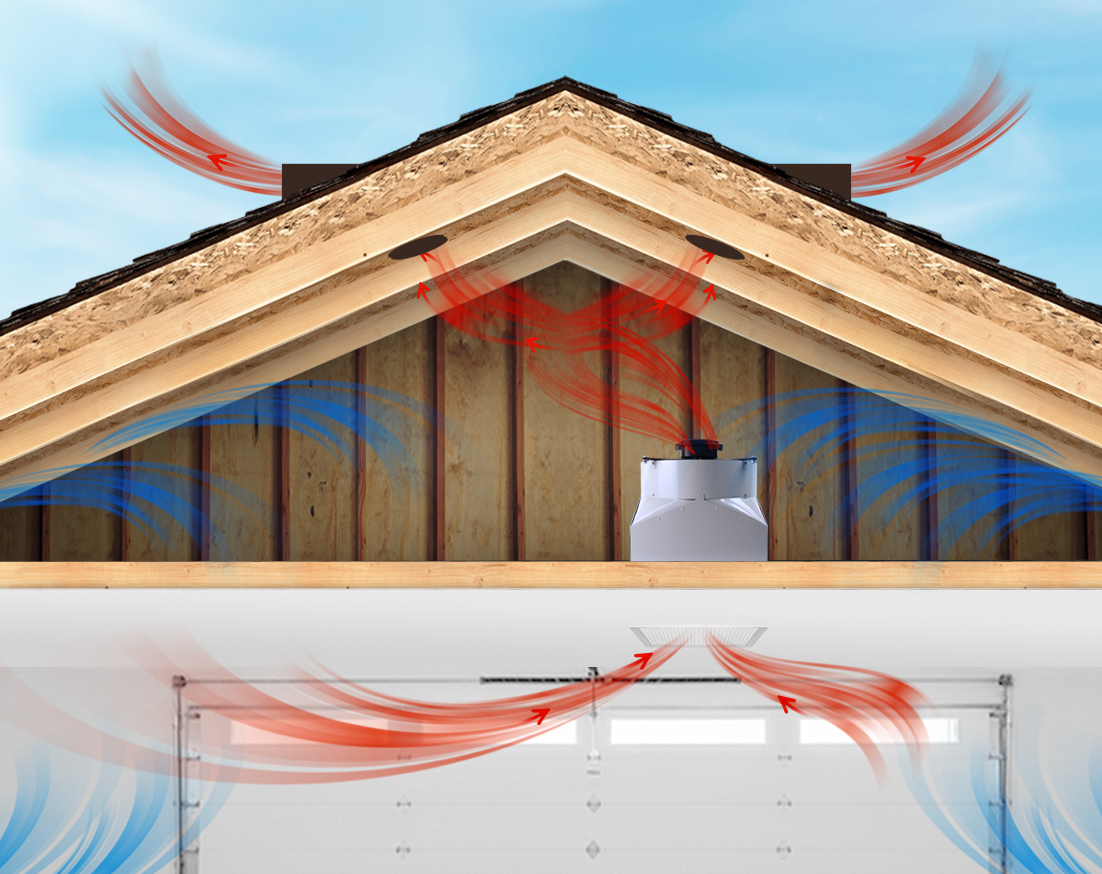
Currently, it's time to link the fan to the electrical circuitry. The complying with image reveals an example electrical wiring layout for an exhaust follower and light controlled by a switch and timer.
Instant Air Solutions
Address: 412 W Dryden St Apt 6 Glendale, CA 91202Phone: (747) 307-6363
Email: instantairsolutionsinc@gmail.com
Instant Air Solutions
Doing so avoids air leaks and keeps out pests, ensuring your fan operates efficiently. Check follower speed and ensure air flows out of your garage, not in.
Industrial Ventilation Solutions Tujunga, CAExhaust Fan Installation Service Tujunga, CA
Install Garage Ventilation Near Me Tujunga, CA
Garage Ventilation Installation Tujunga, CA
Install Garage Ventilation Fan Tujunga, CA
Around Here Seo Marketing Agency Tujunga, CA
Close To Me Seo Companies Near Me Tujunga, CA
Industrial Exhaust Ventilation Systems Tujunga, CA
Instant Air Solutions

Table of Contents
- – Exhaust Fan Installers Tujunga, CA
- – Instant Air Solutions
- – Best Garage Ventilation Tujunga, CA
- – Garage Wall Exhaust Fan Tujunga, CA
- – Exhaust Fan Installation Service Tujunga, CA
- – Exhaust Fan Installer Near Me Tujunga, CA
- – Industrial Air Ventilation Systems Tujunga, CA
- – Install Garage Ventilation Near Me Tujunga, CA
- – Garage Exhaust Vent Tujunga, CA
- – Warehouse Ventilation Systems Tujunga, CA
- – Instant Air Solutions
Latest Posts
San Bernardino County Internet Marketing And Seo Services
Seo Local La Habra
Internet Marketing Agency Near Me Pomona
More
Latest Posts
San Bernardino County Internet Marketing And Seo Services
Seo Local La Habra
Internet Marketing Agency Near Me Pomona