All Categories
Featured
Table of Contents
- – Harmony SoCal Insurance Services
- – What Does Life Insurance for High-Risk Occupat...
- – Which Jobs Qualify as High-Risk for Life Insur...
- – Construction & Heavy Equipment Professions
- – Roofing & Structural Workers in Earthquake Z...
- – Electrical Trades & Utility Line Personnel
- – Emergency & Rescue Professions
- – Brush & Forest Fire Specialists
- – Law Enforcement and EMTs
- – Aviation and Transportation Professions
- – Aviators & Cabin Crew
- – How Occupation Impacts Life Insurance Underwri...
- – Rating Tables Compared to Flat Extras
- – The Impact of Table Ratings on Premiums
- – Flat Extras for Temporary Hazards
- – Individual Factors That Improve Approval Odds
- – Safety Training and Experience
- – Top Providers & Policy Options for High-Risk Jobs
- – Term Coverage for Hazardous Professions
- – Budget-Friendly Substantial Benefits
- – 10 to 30-Year Durations
- – Lifelong Coverage Choices Including Whole & U...
- – Equity Buildup & Tax-Deferred Growth
- – No-Medical & Guaranteed Acceptance Policies
- – Best Times for Simplified-Issue Policies
- – State-Specific Elements for Hazardous Job Cove...
- – California Insurance Rules & Evaluation Stand...
- – Transparent Practices in California
- – Geographic Factors Influencing Underwriting
- – Wildfire and Seismic Influences
- – Nearby High-Risk Expertise
- – Local Support in Key California Areas
- – Supplemental Riders for Stronger Coverage
- – ADB Rider for Extra Payouts
- – Payouts for Work-Related Accidents
- – Critical Illness Riders & Premium Waiver
- – Continuity During Healing
- – Top Insurer Comparison for Hazardous Jobs
- – Typical Issues & Ways to Resolve Them
- – Dealing with Denials or High Premiums
- – Seeking Specialist Help for Success
- – Superior Alternatives to Employer Benefits
- – Transferable Personal Coverage
- – High-Risk Occupation Life Insurance FAQs
- – Let Us Assist You—Get Started Today
- – Harmony SoCal Insurance Services
Harmony SoCal Insurance Services
2135 N Pami Circle Orange, CA 92867(714) 922-0043
Harmony SoCal Insurance Services
high risk life insurance offers vital financial protection to individuals whose daily responsibilities present significantly higher likelihood of severe injury or death. In California, roles confronted with earthquake-related, wildfire, heavy machinery, heights, or first-response stress frequently demand customized underwriting to secure meaningful coverage - Hr & Payroll Services Santa Ana. This type of policy ensures that families get a death benefit in cases where the job itself produces increased risk, avoiding the severe financial impact that can occur after a on-the-job tragedy
Many people in these roles are concerned that carriers will automatically reject applications or impose excessive premium increases. The reality is considerably more balanced. Carriers review job role together with individual health history, risk-reduction training, professional tenure, and protective equipment usage. With the proper carrier pairing, a majority of workers secure acceptance at manageable rates. This resource explores the complete landscape of life insurance for high risk occupations in California, from risk categorization and cost adjustments to insurer reviews, add-on features, and practical measures toward eligibility. By understanding these elements, readers can progress from uncertainty to informed decision-making that safeguard loved ones for the long haul.
What Does Life Insurance for High-Risk Occupations Really Mean?
High risk life insurance represents protection created specifically for individuals whose professions expose them to elevated death or morbidity risk. Providers reference occupational mortality tables, workplace death statistics, and individual risk assessment to determine pricing. Rather than refusing coverage flatly, carriers typically apply premium tables or flat extra premiums to represent the increased hazard level while yet offering a death benefit to beneficiaries.
Different from conventional policies issued to low-risk professions or low-hazard trades, hazardous occupation life insurance takes into account actual hazards such as drop incidents, chemical exposure, operating heavy equipment, or handling crisis situations. The payout remains the core guarantee—financial support for wives/husbands, dependents, or additional dependents—but the cost structure and eligibility route differ.
In California, California insurance laws require providers to disclose premium adjustment factors transparently, granting applicants greater transparency and rights to challenge than in several other states. Group life insurance via employers often proves insufficient for these workers. Group coverage typically provide merely one to two times base pay and terminate instantly after employment change, exit from workforce, or job loss.
Standalone high-risk occupation policies contracts stay in place irrespective of job transitions, providing long-term or extended-duration protection that increases with household requirements. Numerous workers pair temporary policies for large death benefit amounts throughout prime career stages alongside whole life/universal life for permanent safeguards and cash-value growth.
Psychological drivers behind acquiring dangerous career life insurance protection involve the anxiety of exposing loved ones devoid of resources after a abrupt tragedy and the need to meet the obligation of provider. Logically, the premium payments justifies itself through mental comfort, income replacement possibility, debt payoff capacity, and estate planning benefits.
Workers who delay frequently experience increased rates in the future or face deficiencies in protection during professional shifts. For additional details about complementary safeguard approaches, visit our family insurance options. Contact us for a free-of-charge review to find out how this policy fits your needs.
Which Jobs Qualify as High-Risk for Life Insurance in California?
Hazardous professions in life insurance represent determined by higher quantifiable chance of fatal or disabling accident, based on national and regional information from sources like the BLS. In California, geographic and compliance conditions—fault-line regions, wildfire seasons, extensive public works, and metropolitan emergency response requirements—also shape how providers assess particular positions. The classification goes beyond focused on job title; providers examine specific duties, work environment, risk-reduction adherence, and individual background.
Construction & Heavy Equipment Professions
Building industry roles regularly rank on elevated-risk classifications due to ongoing exposure to height-related accidents, struck-by incidents, entrapment hazards, and electrical hazards. Ironworkers constructing bridges, roof installation professionals performing work on sloped surfaces, and machinery operators controlling bulldozers all encounter environments that providers treat with care. CA safety standards mandate stringent safety measures, yet the built-in bodily risk remains. Individuals who maintain OSHA certifications, complete regular protective instruction, and prove accident-free history often achieve better rating adjustments than those without such documentation. High-risk construction occupation coverage remains broadly obtainable with the proper method.
Roofing & Structural Workers in Earthquake Zones
High-elevation construction workers in seismic areas confront increased risk from unstable surfaces and seismic-triggered building movement. Insurers assess fall protection compliance and structural safety knowledge when determining classifications. Numerous workers in these trades obtain manageable coverage by emphasizing conformity with state construction standards. High-risk job coverage for these roles shows feasible when workers submit solid compliance documentation.
Electrical Trades & Utility Line Personnel
Electricians and powerline workers frequently manage live voltage, ascend poles or towers, and work in adverse weather. Evaluation focuses on flash hazard, current exposure, and height-related risk. State certification, NFPA 70E training, and PPE compliance records often lead to reduced premium additions. Policies for these roles proves reachable through insurers familiar with electrical infrastructure and building trades fields.
Emergency & Rescue Professions
Emergency personnel encounter unpredictable dangers including building blazes to armed confrontations and trauma situations. Wildland fire personnel in California experience intense temperatures, smoke inhalation, prolonged missions, and difficult landscapes—circumstances that raise mortality statistics. Law enforcement officers handle high-speed pursuits, weapon-related incidents, and irregular hours fatigue. EMTs and paramedics handle critical incidents under critical timing. Insurers experienced in emergency services professions often extend attractive pricing when workers submit agency compliance history and physical training credentials.
Brush & Forest Fire Specialists
Wildfire firefighters work in fluid high-heat settings with narrow safety zones. Carriers consider group safety instruction, emergency leadership history, and PPE compliance when determining ratings. A large number of obtain better-than-average rates through targeted insurers. Coverage for California firefighters is readily obtainable with the proper records.
Law Enforcement and EMTs
Law enforcement and EMTs face changing dangers necessitating split-second judgments. Risk assessment considers department size, call volume, and defensive tactics instruction. Professional tenure and no-loss documentation enhance classifications significantly. Coverage continues practical for the majority of individuals in these roles.
Aviation and Transportation Professions
Aviation professionals, including flight captains, certified instructors, and specific technical personnel, bear risk from mechanical failure, adverse conditions, and elevated flight levels. Commercial transport positions such as freight drivers or hazardous-material haulers encounter road accidents and fatigue-related incidents. Insurers examine airtime logged, aircraft qualifications, accident history, and regulatory compliance for surface transport jobs. Seasoned flight professionals with advanced certifications and clean records commonly achieve for near-standard or mildly adjusted conditions.
Aviators & Cabin Crew
Aviators and aircrew deal with upper-atmosphere, system, and weather-related hazards. Evaluation reviews total flight time, currency requirements, and aircraft type. A large number of secure reasonable terms with documented incident-free history. High-risk job coverage enables air transport roles effectively.
Job classifications differ by carrier, and individual details often produce surprisingly good results. For further insight on related coverage strategies, explore impaired risk solutions.Contact us for a complimentary review of how your job role affects coverage choices.
How Occupation Impacts Life Insurance Underwriting & Costs
Risk assessment for dangerous occupation life insurance integrates job risk tables, individual medical profile, personal risk elements, and safety documentation to decide qualification and premium rates. Insurers do not simply tag a job “dangerous” and end there; they assign distinct risk levels that reflect the level of added danger.
The two main methods are rating tables and fixed extra charges, each addressing distinct exposure types.
Rating Tables Compared to Flat Extras
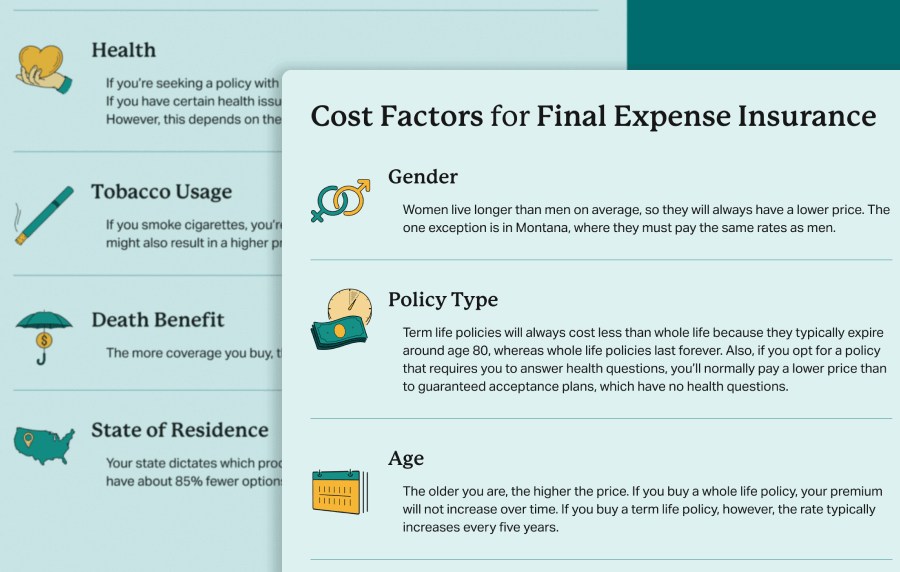
Premium tables assign scaled increases to the normal premium—Table Two adds about 50%, Table Four adds 100%, and more severe tables increase in proportion. Fixed extras add a constant surcharge per thousand of coverage, often short-term and dropped when the exposure no longer applies. Rating tables suit roles with persistent elevated core danger; fixed extras are suitable for temporary or mitigable risks. A large number of applicants achieve more affordable net premiums by integrating safety credits with carrier competition.
The Impact of Table Ratings on Premiums
Table ratings raise costs in predictable steps. A Table 3 classification may increase costs by approximately 75 percent, but proven years of service and instruction can downgrade the classification or eliminate it altogether. Insurers assess trade credentials, federal safety adherence, and incident-free records to fine-tune premium levels.
Flat Extras for Temporary Hazards
Flat extras deliver pricing predictability for temporary exposures. Once danger concludes—for example completing a hazardous contract—the surcharge disappears. This approach helps contract or project-based individuals in high-risk fields. It allows predictable cost management while preserving comprehensive security.
Individual Factors That Improve Approval Odds
Individual elements that boost approval odds cover proven protective instruction, trade credentials, clean safety history, and routinely following of PPE compliance. Carriers regard these as indication of lower individual hazard within a elevated-risk classification. Individuals who provide thorough evidence often receive improved premium levels than those relying on job title alone.
Safety Training and Experience
Risk-reduction courses and professional history possess significant weight throughout evaluations. Formal programs, for example OSHA 30-hour courses, fire safety credentials, or union apprenticeships, frequently decrease premium additions. Carriers credit clean records and continuous learning, frequently lowering fees by 25 to 50 percent. This approach makes high-risk job coverage budget-friendly.
Awareness of these mechanics enables applicants to prepare more compelling submissions. For deeper understanding into evaluation, explore the life insurance underwriting process.Reach out about customized risk assessment advice adapted to your career.
Top Providers & Policy Options for High-Risk Jobs
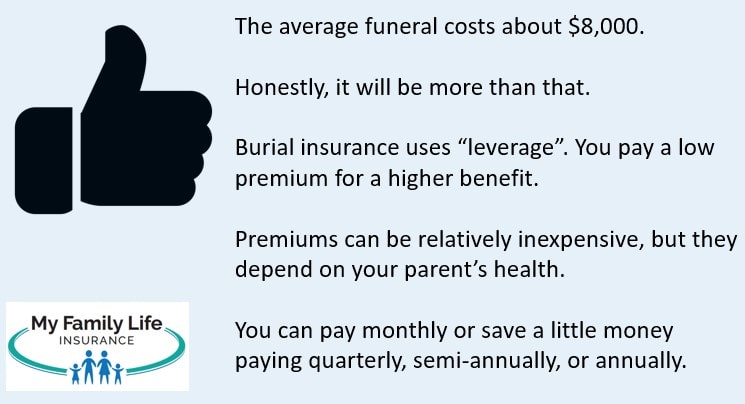
Leading insurers for dangerous professions provide adaptable underwriting guidelines that handle hazardous roles free from excessive restrictions. Term life insurance delivers substantial coverage amounts for set durations at reduced early premiums, rendering it suitable for securing home loans, college tuition, or income continuity throughout peak responsibility years. Lifelong coverage options—including traditional permanent and adjustable permanent—deliver lifelong protection in addition to cash-value accumulation for supplemental retirement income.
Term Coverage for Hazardous Professions
Term coverage suits workers requiring significant protection during peak-income and major-family-support stages. Policies cover decade-plus durations, enabling matching with particular financial goals. Many dangerous-job professionals select stable-premium term coverage for predictable budgeting. Carriers experienced in occupational risks offer these policies with fair adjustments when incident-free history are solid.
Budget-Friendly Substantial Benefits
Budget-friendly substantial benefits make temporary policies appealing for high death benefit levels. Dependents can secure millions in survivor benefit free from prohibitive ongoing expenses, offering a safety net throughout highest professional danger periods.
10 to 30-Year Durations
10–30 year terms deliver versatility to protect family growth, obligation clearance, or housing payoff timeline. Individuals opt for periods that match their dependent needs, guaranteeing coverage at the time it is essential.
Lifelong Coverage Choices Including Whole & Universal
Lifelong coverage choices provide lifelong protection and tax-deferred accumulation. Traditional permanent features stable costs and assured equity growth, while universal life permits premium flexibility and changeable coverage levels. These fit extended financial strategy for careers with continuing hazards.
Equity Buildup & Tax-Deferred Growth
Cash value growth over time grows tax-deferred, creating a fund for emergencies, education funding, or supplemental retirement income. It adds economic versatility outside of pure death-benefit protection.
No-Medical & Guaranteed Acceptance Policies
Simplified & guaranteed acceptance plans prioritize speed and simplicity. Simplified-issue options require health questions but no medical exam; automatic acceptance cover most individuals within eligibility age ranges. These function as valuable alternatives when health assessment creates challenges.
Best Times for Simplified-Issue Policies
Quick-approval coverage fits individuals needing rapid turnaround without full medical exams. It delivers viable coverage when scheduling issues or medical conditions occur.
Carrier comparisons maximize benefit by selecting the best-suited insurers. Harmony SoCal Insurance Services utilizes extensive experience of dedicated experience and established carrier connections to achieve coverage that reduce worry about dependent exposure while providing practical, cost-effective, transferable protection. For more carrier information, see insurers we represent.Contact us for a no-cost carrier comparison.
State-Specific Elements for Hazardous Job Coverage in CA
California’s legal environment and local hazards particularly influence high risk life insurance in California. Department of Insurance regulation requires clear disclosure of classification criteria, avoiding arbitrary decisions and fostering just availability to policies. Local risks—seismic activity, brush fire threats, dense urban response demands—add nuance to evaluation for particular professions.
California Insurance Rules & Evaluation Standards
Department of Insurance rules obligate providers to detail premium adjustment reasons and grant review mechanisms. This openness helps individuals comprehend rating decision logic and question errors. It encourages justice throughout various roles, including high-risk positions.
Transparent Practices in California
Transparent practices guarantee workers get detailed rating explanations. This structure lowers unforeseen issues and facilitates informed decisions across the submission journey.
Geographic Factors Influencing Underwriting
Local hazards include fault-line work sites and persistent brush fire dangers affecting public safety workers. Providers modify for these hazards, but specialist carriers commonly deliver favorable rates by recognizing risk-reduction measures in California.
Wildfire and Seismic Influences
Fire & earthquake effects introduce complexity to ratings for affected occupations. Carriers weigh regional safety measures and certification, with numerous acceptances occurring through targeted carrier matching.
Nearby High-Risk Expertise
Regional availability to specialists simplifies discussions, policy submission, and ongoing support. Assistance extends throughout Los Angeles, San Bernardino, and surrounding areas. Convenient location aids customized service.
Local Support in Key California Areas
Service throughout these communities provides convenient support for workers in hazardous roles. It supports quicker turnaround and localized expertise.
Local insight produces superior outcomes. For complementary retiree safeguards approaches, check retiree coverage plans.Reach out for region-specific guidance.
Supplemental Riders for Stronger Coverage
Add-ons for dangerous professions tailor base policies to handle specific vulnerabilities inherent in high-risk careers. The ADB rider enhances the benefit amount when loss of life arises from a insured event, offering supplemental financial support for events typical in high-exposure environments.
ADB Rider for Extra Payouts
The accidental death benefit rider usually triples or triples the face amount for covered incidents. It provides focused security for positions involving machinery, working at elevation, or crisis situations. Many workers find this rider essential for comprehensive protection against occupational hazards.
Payouts for Work-Related Accidents
Benefits for occupational mishaps provides additional support in risky job events. It complements the core survivor benefit and coordinates with the particular risks of high-risk careers.
Critical Illness Riders & Premium Waiver
Critical illness riders provide a cash benefit following confirmation of covered conditions heart attack, kidney failure. Hr & Payroll Services Santa Ana. No-premium-during-disability add-on maintains coverage continuity free from monthly costs amid complete inability to work. These supplements safeguard uninterrupted coverage when medical issues reduce financial ability
Continuity During Healing
Protection while recovering stops protection gap throughout income interruption. This rider demonstrates valuable in professions prone to injury or incapacity.
Targeted supplements establish comprehensive security measures. The agency leverages deep knowledge to advise on riders that match with workplace risks and provide actionable improvements. For further information regarding major diagnosis coverage, see critical illness riders guide.Ask about rider customization.
Top Insurer Comparison for Hazardous Jobs
Carrier strengths vary significantly in handling high risk life insurance. Transamerica often extends favorable terms to firefighters, military personnel, and industrial plant employees. Fidelity Life supports wide range of dangerous roles through individualized assessments. Supplemental Aflac specializes in supplemental riders for public safety workers, Ethos platform streamlines quick-approval processes, and targeted providers tailor policies for aviation, construction, and logging.
Transamerica Life frequently excels because of attractive premiums and approval of California-relevant roles. Alternative carriers provide adaptable risk assessment that handles diverse duties. Comparisons assist find the best fit for specific situations and risk profiles.
Detailed evaluations reveal the best matches. For additional coverage information, check term life insurance. Contact us for a free provider comparison.
Typical Issues & Ways to Resolve Them
Applicants for dangerous job coverage commonly experience early rejections, excessive surcharges, or over-reliance on limited employer plans. These challenges arise from standard underwriting assumptions instead of impossible barriers. Expert carrier matching, complete information, and highlighting on mitigating factors resolve a majority of challenges.
Dealing with Denials or High Premiums
Addressing refusals or elevated rates improves substantially through multi-carrier submissions and thorough protective records. Persistence and expert representation frequently produce acceptances where one-off submissions are unsuccessful. A large number of individuals achieve policies after initial setbacks by submitting more compelling records.
Seeking Specialist Help for Success
Seeking specialist help links applicants with providers knowledgeable about high-risk profiles. This strategy frequently obtains protection not offered through conventional routes. It leads to more favorable pricing and accelerated decisions.
Superior Alternatives to Employer Benefits
Moving past workplace group plans means obtaining standalone individual policies that stay in force regardless of job transitions. These provide greater coverage amounts and lifelong safeguards. Personal policies provide enhanced extended benefits for hazardous-profession workers.
Transferable Personal Coverage
Independent individual plans preserve benefits across professional shifts. They offer consistency and greater protection levels in contrast with employer coverage, guaranteeing protection irrespective of career position.
The majority of challenges have proven solutions. For related long-term disability coverage, see disability income insurance.Obtain personalized guidance on your specific situation.
High-Risk Occupation Life Insurance FAQs
What jobs are high risk for life insurance?
Construction trades (roofers, steel erectors), first responders (firefighters, law enforcement, EMTs), aviators, forestry personnel, miners, offshore platform staff, and commercial fishermen commonly get high risk designations as a result of elevated death statistics documented by Bureau of Labor Statistics. state-unique risks like brush fire response or fault-line work also influence premium adjustments. Insurers evaluate specific responsibilities and protective protocols rather than job names only, so proven compliance frequently lead to improved terms. Expert advice assists find flexible insurers quickly. Learn more about life insurance underwriting.
Can dangerous jobs still qualify for coverage?
Yes, coverage stays accessible for a majority of dangerous roles through specialized dangerous profession policies built specifically for these positions. Carriers like Transamerica provide competitive options for firefighters, while others extend versatile evaluation. Accurate information alongside incident-free history improves eligibility odds considerably. Individual policies exceed workplace benefits by remaining independent and providing greater coverage amounts. Explore affordable term coverage for more details.
What’s the premium increase for hazardous jobs?
Premium increases depend on premium category—table ratings raise 25 to 150 percent or greater percentages, while fixed extras typically fall between $2.50–$10 per 1,000 of protection, usually short-term. Construction workers typically face reasonable extras, more dangerous positions like logging face larger increases. Personal factors and provider comparison reduce effective rates significantly. Professional evaluations achieve the best pricing. See best price strategies for similar insights.
Best companies for high risk life insurance?
Leading insurers include Transamerica for favorable firefighter and military terms, Fidelity Life Insurance for wide dangerous profession coverage, Aflac Insurance for supplemental protection, Ethos Life for quick-approval options, and specialty carriers for aviation or construction. Multiple insurer options through knowledgeable professionals delivers the widest selection and optimal fits. Visit our carrier partners.
Does occupation affect life insurance rates?
Occupation directly affects premiums via rating category frameworks using fatality records. How profession influences coverage costs varies by responsibilities, with protective protocols and years of service commonly decreasing adjustments. Accurate information and specialist advocacy provide correct, fair rates. For more detailed knowledge, review how underwriting works.
Best supplemental benefits for dangerous professions?
Accidental death benefit rider delivers increased death benefit for job-related deaths. No-premium-during-disability add-on maintains coverage during disability. Serious diagnosis payouts cover severe illnesses. These affordable add-ons adapt coverage to workplace risks (Hr & Payroll Services Santa Ana). Explore further in the major diagnosis protection resource
Does construction qualify as high-risk for coverage?
Coverage for hazardous building trades often includes extras due to drop incidents, being hit by objects, and power tool risks, worsened by CA fault-line conditions. Many secure fair premiums with experience and protective evidence. Learn about household protection for complementary safeguards.
Is coverage available for firefighters?
Firefighters obtain policies, with providers like this provider delivering favorable rates for wildfire and structural roles. Add-ons improve security for exposure risks. Check injury protection for complementary security.
Steps to approval for high-risk occupation coverage?
Present accurate role description, protective credentials, and medical history. Professional advisors connect applicants with supportive providers, increasing positive outcomes through targeted submissions. Check our process for further guidance.
What defines a high-risk occupation?
Roles involving working at elevation, confined spaces, explosives, severe conditions, or high-speed machinery qualify based on BLS mortality statistics and insurer standards. For related topics, see LTC protection.
Let Us Assist You—Get Started Today
Options for dangerous profession policies offer real safety that tackles significant fears about family vulnerability in the wake of an incident. Concern of financial hardship pushes many to look for policies, while peace of mind, met obligations, and reduced anxiety deliver significant emotional rewards. Rationally, standalone coverage outperform short-term employer plans with transferability, greater coverage amounts, competitive risk assessment, through professionals, and thoughtful supplements that support premiums with enduring security.
Client feedback showcase genuine success: “The professionals explained the entire process transparently and secured policies that aligned with my construction schedule exactly.” – Robert T., Orange County. “Acceptance came quicker than anticipated, with rates that fit the financial plan.” – Jessica M., Riverside. “Expert guidance made the process stress-free and located the right policy for my emergency services position.” – Daniel P., Inland Empire.
Our agency, 2135 N Pami Cir, Orange, CA 92867, (714) 922-0043, assists California workers in high-risk roles with reliable, affordable high-risk job coverage. With extensive experience, certifications, and a client satisfaction commitment, the agency regularly delivers outcomes that satisfy emotional security needs while delivering rational, household-centered security measures.
Our agency functions as a dependable resource for specialized high-risk job coverage in CA. Certified experts concentrate in hazardous job coverage, providing reliable success. Regardless of whether in heavy labor, flight professions, first response, or additional high-risk careers, the experts has helped different individuals with care and dedication. Easily accessible near key highways in Southern California, coverage covers nearby cities. No-obligation reviews offer obligation-free quotes. With a more than ten years of experience and a client satisfaction commitment, the priority continues on ensuring dependent safeguards lasts. Let our agency provide the assurance your needs demands. For immediate assistance, go to get in touch.
Obtain Your Dangerous Profession Quote Today
Harmony SoCal Insurance Services
Address: 2135 N Pami Circle Orange, CA 92867Phone: (714) 922-0043
Email: info@hsocal.com
Harmony SoCal Insurance Services
Individual Health Insurance Plans Santa Ana, CA
Insurance Seniors Santa Ana, CA
Senior Solutions Insurance Santa Ana, CA
Human Resources And Payroll Services Santa Ana, CA
Best Private Health Insurance Plans Santa Ana, CA
Employee Benefits Service Santa Ana, CA
Human Resources And Payroll Services Santa Ana, CA
Insurance Seniors Santa Ana, CA
Term Insurance For Senior Citizens Santa Ana, CA
Medicare Advantage Insurance Agent Santa Ana, CA
Senior Insurance Services Santa Ana, CA
Company Health Insurance Plans Santa Ana, CA
Senior Insurance Services Santa Ana, CA
Contractor Payroll Services Santa Ana, CA
Hr & Payroll Services Santa Ana, CA
Senior Insurance Services Santa Ana, CA
Insurance Seniors Santa Ana, CA
Hr & Payroll Services Santa Ana, CA
Health Insurance For Retired Santa Ana, CA
Best Private Health Insurance Plans Santa Ana, CA
Senior Solutions Insurance Santa Ana, CA
Funeral Expense Insurance For Seniors Santa Ana, CA
Hr & Payroll Services Santa Ana, CA
Term Insurance For Senior Citizens Santa Ana, CA
Insurance Seniors Santa Ana, CA
Best Dental Insurance For Seniors On Medicare Santa Ana, CA
Company Health Insurance Plans Santa Ana, CA
Cheap Term Insurance For Seniors Santa Ana, CA
Cheap Term Insurance For Seniors Santa Ana, CA
Dental And Vision Insurance For Seniors Santa Ana, CA
Finding A Good Local Seo Agency Santa Ana, CA
Near Me Seo Marketing Company Santa Ana, CA
Harmony SoCal Insurance Services
Senior Vision Insurance Santa Ana, CA
Best Funeral Insurance For Seniors Santa Ana, CA

Table of Contents
- – Harmony SoCal Insurance Services
- – What Does Life Insurance for High-Risk Occupat...
- – Which Jobs Qualify as High-Risk for Life Insur...
- – Construction & Heavy Equipment Professions
- – Roofing & Structural Workers in Earthquake Z...
- – Electrical Trades & Utility Line Personnel
- – Emergency & Rescue Professions
- – Brush & Forest Fire Specialists
- – Law Enforcement and EMTs
- – Aviation and Transportation Professions
- – Aviators & Cabin Crew
- – How Occupation Impacts Life Insurance Underwri...
- – Rating Tables Compared to Flat Extras
- – The Impact of Table Ratings on Premiums
- – Flat Extras for Temporary Hazards
- – Individual Factors That Improve Approval Odds
- – Safety Training and Experience
- – Top Providers & Policy Options for High-Risk Jobs
- – Term Coverage for Hazardous Professions
- – Budget-Friendly Substantial Benefits
- – 10 to 30-Year Durations
- – Lifelong Coverage Choices Including Whole & U...
- – Equity Buildup & Tax-Deferred Growth
- – No-Medical & Guaranteed Acceptance Policies
- – Best Times for Simplified-Issue Policies
- – State-Specific Elements for Hazardous Job Cove...
- – California Insurance Rules & Evaluation Stand...
- – Transparent Practices in California
- – Geographic Factors Influencing Underwriting
- – Wildfire and Seismic Influences
- – Nearby High-Risk Expertise
- – Local Support in Key California Areas
- – Supplemental Riders for Stronger Coverage
- – ADB Rider for Extra Payouts
- – Payouts for Work-Related Accidents
- – Critical Illness Riders & Premium Waiver
- – Continuity During Healing
- – Top Insurer Comparison for Hazardous Jobs
- – Typical Issues & Ways to Resolve Them
- – Dealing with Denials or High Premiums
- – Seeking Specialist Help for Success
- – Superior Alternatives to Employer Benefits
- – Transferable Personal Coverage
- – High-Risk Occupation Life Insurance FAQs
- – Let Us Assist You—Get Started Today
- – Harmony SoCal Insurance Services
Latest Posts
House Pressure Washing Service Ontario
Tankless Hot Water Heater Installation Near Me Carmel Valley
Shower Repair Near Me Carmel Mountain Ranch
More
Latest Posts
House Pressure Washing Service Ontario
Tankless Hot Water Heater Installation Near Me Carmel Valley
Shower Repair Near Me Carmel Mountain Ranch